Reviewed by Kratom Verdict Editorial Team
Last Updated: July 2026
Estimated Reading Time: 18–22 minutes
Guide Type: Independent Editorial Strain Guide
Research Basis: Publicly available botanical information, third-party laboratory transparency, publicly available regulatory resources, scientific literature, and independent editorial research.
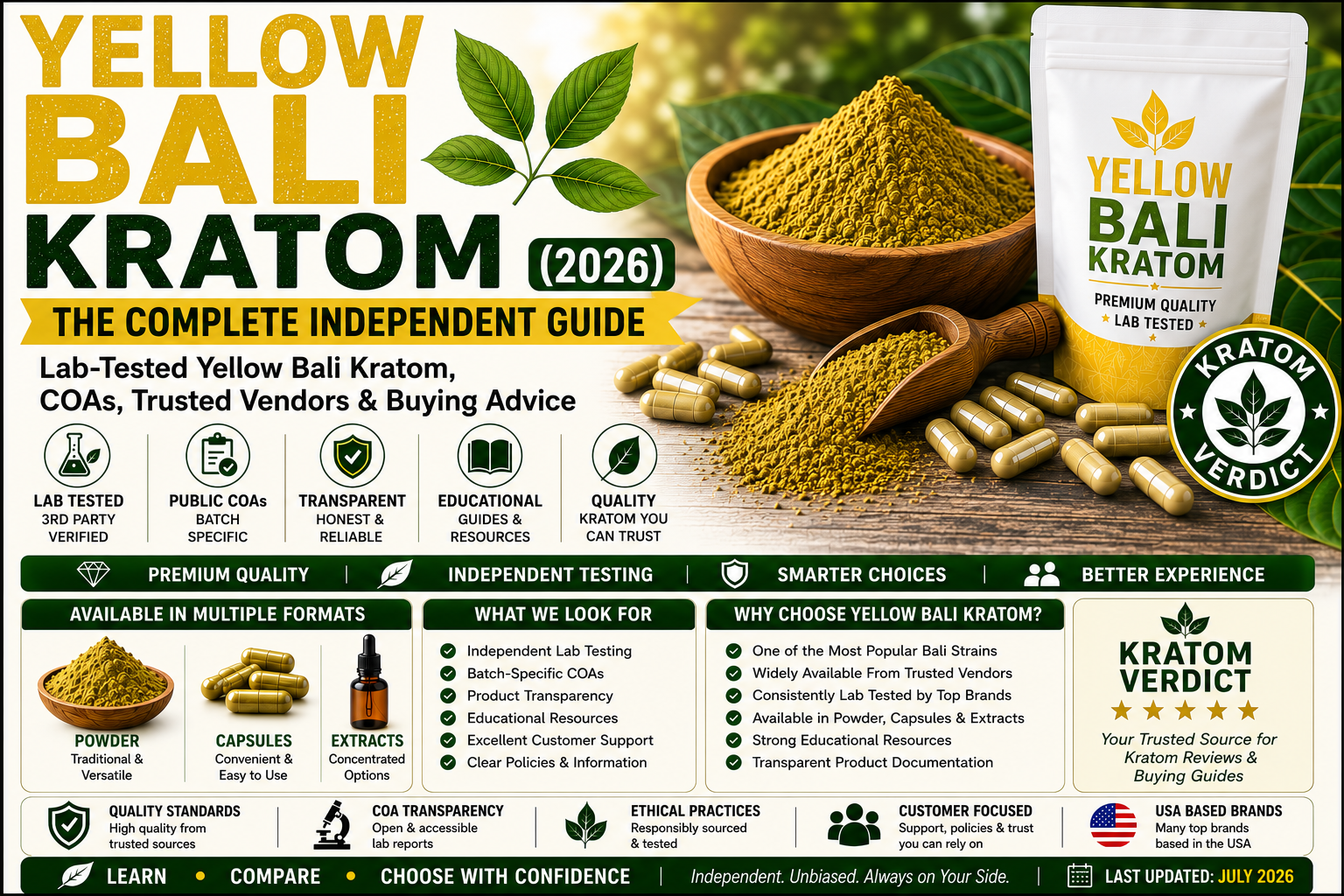
Yellow Bali Kratom is one of the more misunderstood products in the kratom market, and the confusion starts with the name itself: unlike red, white, or green vein kratom, yellow isn’t a naturally occurring leaf color. It’s a manufactured product, created through blending and extended drying or fermentation techniques applied to already-harvested leaf. That’s not a knock against it — plenty of experienced users specifically seek it out for its balanced profile — but it does mean vendor practice matters more here than with almost any other strain on this site, since the “yellow” label describes a process, not a fixed starting material.
This guide covers what Yellow Bali actually is, how it’s made, what the alkaloid data shows, and exactly what to check before you buy.
Disclosure: This site earns commissions when you purchase through some vendor links below. That doesn’t change our evaluation criteria — we’re upfront about it because transparency is the whole point of this guide.
What Is Yellow Bali Kratom?
Yellow Bali is not a distinct vein color harvested from the tree — it’s created by processing red and/or green vein Bali-sourced leaf through extended drying and, in many cases, a controlled fermentation stage that can run anywhere from several days to a few weeks. This differs meaningfully from the rapid drying used for white kratom or the more minimal processing applied to standard green varieties.
Some vendors produce yellow kratom by blending already-dried red and green leaf; others use a longer, environmentally controlled fermentation process on mature leaf (commonly harvested from trees at least seven years old) before drying. Both approaches aim for the same outcome: a shifted alkaloid balance that lands between the stimulation of white/green strains and the calm of red strains — hence the frequent description of yellow kratom as splitting the difference between the two.
Because “yellow” describes a production method rather than a standardized process, quality and consistency vary more here than with naturally vein-colored strains. Two vendors’ Yellow Bali can differ substantially depending on their specific fermentation or blending approach. Consumers researching What is Yellow Bali Kratom often discover that the commercial name refers to botanical material that has undergone specific harvesting and post-harvest processing methods before reaching the marketplace. Yellow Bali Kratom is generally identified using regional naming conventions, although production methods and quality standards may vary between manufacturers. Because there is no universal industry standard governing commercial naming, buyers should rely on independently verified laboratory documentation rather than product descriptions alone. A comprehensive Yellow Bali Kratom Guide encourages consumers to understand sourcing practices, manufacturing transparency, and batch-specific quality documentation before making purchasing decisions. Throughout Yellow Bali Kratom 2026, objective laboratory evidence remains one of the strongest indicators of responsible manufacturing. Reviewing Certificates of Analysis, manufacturing information, and transparent sourcing practices provides greater confidence than advertising claims. Consumers who understand regional terminology and laboratory verification are better equipped to evaluate Yellow Bali Kratom using documented evidence while making informed purchasing decisions.
Alkaloid Profile: What the Numbers Actually Mean
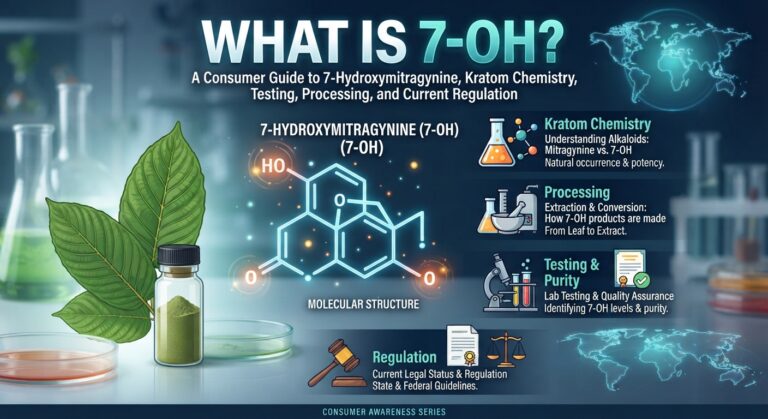
- Mitragynine typically makes up 60%–70% of total alkaloid content in Yellow Bali, consistent with kratom generally. In absolute terms, mitragynine levels in yellow strains tend to sit slightly lower than white varieties but higher than heavily fermented red strains — reflecting its position as a middle-ground product.
- 7-hydroxymitragynine (7-OH) is generally present in moderate concentrations — higher than in fast-dried white kratom, but the extended processing is specifically credited with preserving a relaxing quality without pushing toward the heavier sedation associated with some red strains.
- Paynantheine and speciogynine, two secondary alkaloids, are also frequently cited in Yellow Bali’s profile and are associated with muscle-relaxing and mood-balancing qualities, contributing to the strain’s reputation for smoothing out the sharper edges of pure stimulation or pure sedation.
Because Yellow Bali’s alkaloid profile depends heavily on a vendor’s specific processing method, a current, batch-specific Certificate of Analysis (COA) is arguably more important here than for naturally vein-colored strains — the strain name alone tells you even less than usual about what’s actually in the bag.
What Users Report About Yellow Bali’s Effects
No vendor or publisher can legitimately make a medical claim about kratom — it hasn’t been evaluated by the FDA for treating any condition. What’s widely and consistently described is a balanced, smooth profile: many users report it sitting between green and red kratom, with a milder stimulating effect than white strains and lighter sedation than a full red-vein product. It’s frequently described as offering “the best of both worlds” — moderate energy alongside mild pain-easing and calming qualities — with a smoother onset and often a longer subjective duration than standard green kratom.
Because both the production process and individual body chemistry affect the outcome, treat any effect description — including this one — as a general reference point rather than a guarantee.
Laboratory Testing and Scientific Analysis
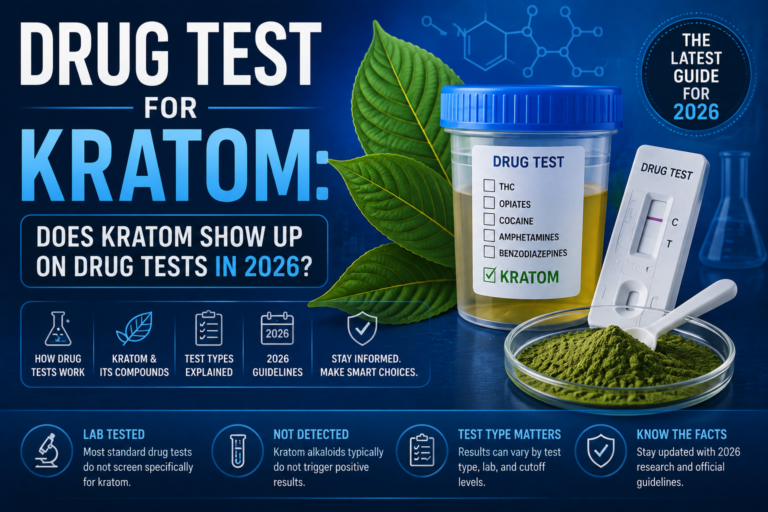
Independent Yellow Bali Kratom laboratory testing provides measurable information that allows consumers to compare botanical products objectively. Reviewing Yellow Bali Kratom lab testing, Yellow Bali Kratom laboratory analysis, and Yellow Bali Kratom alkaloid testing helps verify that analytical results have been generated through recognized laboratory procedures rather than promotional claims. Comprehensive reports commonly include alkaloid analysis, heavy metal screening, microbial testing, moisture determination, and identity verification. Consumers should confirm that testing has been performed by an independent laboratory and that the Certificate of Analysis corresponds to the exact batch being purchased. Transparent laboratory reporting demonstrates a manufacturer’s commitment to consumer education and quality assurance. When buyers compare independently verified analytical data, they can evaluate Yellow Bali Kratom using scientific evidence rather than relying on branding alone. This evidence-based approach helps establish greater confidence when comparing Yellow Bali Kratom products offered by different vendors while encouraging higher standards throughout the botanical marketplace.
Yellow Bali vs. Other Bali Strains
| Strain | Production Method | Typical Character |
|---|---|---|
| Yellow Bali | Blended/fermented red + green leaf | Balanced; smoother, milder version of green/red middle ground |
| Green Bali | Standard green-vein harvest/drying | Naturally balanced energy and mood support |
| Red Bali | Standard red-vein harvest/drying | More sedating, evening-focused |
| White Bali | Early harvest, rapid drying | More stimulating, focus-forward |
This kind of direct comparison — and being upfront that “yellow” is a manufactured category rather than a natural vein color — is the kind of substantive, accurate context that supports credibility in Google’s quality rater framework, versus a page that implies yellow kratom grows that way on the tree.
Authentication and Product Verification
Product Yellow Bali Kratom authentication begins with verifying that laboratory documentation matches the specific production batch being purchased. Consumers should compare batch numbers, laboratory dates, testing laboratories, and Certificates of Analysis before making purchasing decisions. Independent laboratory verification provides objective evidence regarding product quality and manufacturing consistency, reducing reliance on unsupported promotional claims. Reviewing authentication procedures together with documented quality-control systems allows buyers to compare products using measurable scientific information. Vendors that consistently publish current laboratory documentation demonstrate a greater commitment to transparency and consumer education. By carefully reviewing analytical reports and authentication procedures, consumers can evaluate Yellow Bali Kratom using independently verified evidence while encouraging higher standards throughout the botanical marketplace. This systematic approach supports responsible purchasing decisions and allows Yellow Bali Kratom products to be compared using documented quality indicators rather than advertising alone.
Related strains Articles
- Gold Bali Kratom
- Green Bali Kratom
- Red Bali Kratom
- White Bali Kratom
- Yellow Malay Kratom
- Gold Malay Kratom
- Bali vs. Maeng Da Kratom
- Gold Kratom vs. Yellow Kratom
- Borneo vs. Sumatra Kratom
Why Vendor Practice Matters More for Yellow Kratom
Because yellow strains are manufactured rather than harvested in a fixed way, quality control issues show up differently than with standard strains:
- Undisclosed blending ratios — vendors rarely specify the exact red-to-green ratio or fermentation duration used
- Inconsistent batch-to-batch alkaloid profiles, since small variations in fermentation time can shift the final chemistry meaningfully
- Reused or vague COAs that don’t reflect the specific processing batch
- Marketing language substituting for actual data — “balanced” and “smooth” claims with no alkaloid figures to back them
The American Kratom Association’s GMP certification program remains the strongest publicly verifiable quality standard available. Confirm current certification status directly through the AKA’s own published list rather than a badge on the vendor’s site.
Understanding Certificates of Analysis (COAs)
Every Yellow Bali Kratom Certificate of Analysis provides important information regarding laboratory testing and product verification. A complete Yellow Bali Kratom COA should identify the production batch, testing laboratory, analytical methodology, and documented results. Understanding a Yellow Bali Kratom certificate of analysis enables consumers to evaluate laboratory evidence before purchasing botanical products. Learning how to verify Yellow Bali Kratom documentation also helps ensure that laboratory reports correspond to the exact batch being offered for sale. Responsible vendors generally publish current Certificates of Analysis that include detailed analytical information and testing dates. Reviewing these reports allows consumers to compare products using measurable quality indicators rather than advertising language. Buyers who routinely verify laboratory documentation are better positioned to evaluate Yellow Bali Kratom objectively and distinguish independently tested products from unsupported marketing claims. Evidence-based purchasing begins with careful review of transparent laboratory documentation and authenticated Certificates of Analysis.
Transparency and Consumer Confidence
Transparency has become one of the most important indicators of quality within the botanical marketplace. Companies that demonstrate Yellow Bali Kratom transparency typically publish Certificates of Analysis, explain laboratory testing procedures, and provide educational resources that help consumers understand product documentation. Instead of relying entirely on marketing language, buyers should compare independently verified reports, manufacturing information, and sourcing practices before making purchasing decisions. A practical Yellow Bali Kratom buying guide encourages consumers to evaluate objective quality indicators, including laboratory reports, quality-control procedures, and production consistency. Responsible vendors recognize that informed consumers value evidence more than promotional claims, making transparency an important component of long-term credibility. When manufacturers openly communicate testing protocols and quality standards, consumers can evaluate Yellow Bali Kratom with greater confidence. This evidence-based approach supports responsible purchasing decisions while encouraging improved manufacturing practices across the botanical industry, allowing Yellow Bali Kratom products to be assessed using documented information rather than advertising alone.
Vendor Evaluation Checklist
Before buying Yellow Bali from any source, verify:
- A current, batch-specific COA showing mitragynine %, 7-OH %, heavy metals, and microbial testing
- AKA GMP certification, cross-checked directly through the AKA
- Some disclosure of the production method — a vendor willing to explain whether their Yellow Bali is a blend or a fermented single-source product is showing more transparency than one that just uses the name
- Independent reviews mentioning this specific product, not just general brand reputation (Reddit’s r/kratom is a common source for strain-specific feedback)
- A genuine return or satisfaction policy
Common Product Formats
- Powder — most common and cost-effective, requires manual measuring
- Capsules — pre-measured convenience
- Blends — some vendors sell yellow kratom explicitly labeled as a blend (e.g., combined with other regional leaf) rather than a Bali-specific single product; check labeling carefully
Third-Party Testing and Quality Standards
Reliable Yellow Bali Kratom quality begins with independent laboratory verification performed through recognized testing facilities. Yellow Bali Kratom third-party testing strengthens consumer confidence because testing is conducted separately from the manufacturer, reducing potential conflicts of interest. Companies committed to maintaining Yellow Bali Kratom quality standards generally explain their documented Yellow Bali Kratom quality control procedures, including batch sampling, laboratory verification, manufacturing oversight, and product documentation. Independent reports may include heavy metal screening, microbial testing, alkaloid analysis, and moisture evaluation to provide measurable quality indicators. Consumers benefit when manufacturers openly publish laboratory reports instead of relying solely on promotional material. Transparent quality-control systems support responsible purchasing decisions while encouraging greater accountability throughout the botanical industry. Buyers comparing independently verified documentation can evaluate Yellow Bali Kratom more objectively while identifying manufacturers that prioritize scientific testing, consumer education, and documented production consistency.
A Note on Use and Starting Points
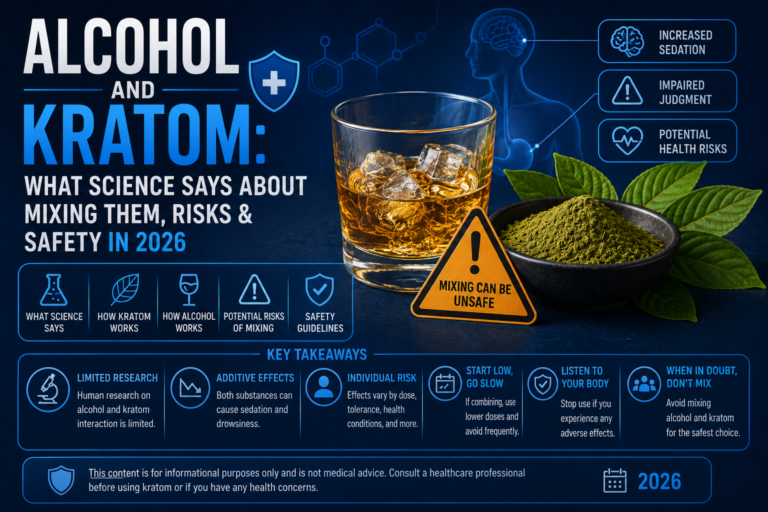
We’re not going to hand you a single “correct” dose — tolerance, body weight, and the specific batch’s processing all affect potency too much for a one-size-fits-all number to be responsible advice. General guidance commonly cited across users and vendors suggests starting low, in the range of 1–2 grams for those new to the strain, and giving it time to take effect before considering more — especially given that batch-to-batch consistency is less predictable with a manufactured strain than with standard vein colors. If you’re new to kratom generally, starting with a milder, naturally processed strain first (such as Green Bali) can help establish your baseline sensitivity before trying yellow varieties. If you’re taking other medications or have an existing health condition, talk to a healthcare provider first — kratom has documented interactions with several drug classes, and combining it with alcohol or other CNS depressants meaningfully increases risk.
Choosing Reliable Vendors
Selecting the best Yellow Bali Kratom vendors requires more than comparing product names or prices. Consumers should review publicly available laboratory reports, manufacturing practices, sourcing documentation, and customer education resources before purchasing. Responsible companies generally publish current Certificates of Analysis, explain independent testing procedures, and maintain transparent quality-control systems throughout production. Buyers should also compare vendor communication regarding batch testing, manufacturing consistency, and documentation availability. Businesses that openly provide detailed product information demonstrate a stronger commitment to consumer education than those relying primarily on marketing language. Reviewing independent laboratory documentation allows consumers to evaluate Yellow Bali Kratom using measurable evidence rather than unsupported claims. Manufacturers that emphasize transparency and documentation contribute to higher industry standards while helping consumers compare Yellow Bali Kratom products objectively and make informed purchasing decisions supported by scientific information.
Legal Status Check
Yellow Bali follows the same state-by-state legal patchwork as kratom generally. As of mid-2026, it remains legal at the federal level and in most U.S. states, with roughly nine states maintaining outright bans and 30+ operating under Kratom Consumer Protection Act frameworks requiring age verification and testing compliance. Confirm your specific state’s current law — including the state you’re shipping to — before ordering.
Manufacturing, Processing, and Responsible Sourcing
Understanding how Yellow Bali Kratom is processed helps consumers appreciate the importance of manufacturing consistency and transparent production practices. Responsible companies explain Yellow Bali Kratom manufacturing standards, drying procedures, storage methods, sanitation practices, and Yellow Bali Kratom sourcing information before products reach consumers. Manufacturing transparency demonstrates a commitment to quality assurance throughout harvesting, transportation, processing, packaging, and distribution. Consumers should compare vendors that openly describe production procedures while supporting their claims with independently verified laboratory documentation. A transparent manufacturing process allows buyers to evaluate Yellow Bali Kratom using objective evidence instead of assumptions based solely on commercial product names. Reviewing sourcing information together with laboratory testing and documented quality standards provides a stronger foundation for evaluating Yellow Bali Kratom responsibly. Careful assessment of manufacturing practices ultimately contributes to more informed purchasing decisions and encourages higher standards across the botanical marketplace.
Buying Considerations for Beginners
Individuals researching Yellow Bali Kratom for beginners should begin by understanding laboratory documentation before comparing brands or pricing. A responsible purchasing decision starts with reviewing Certificates of Analysis, manufacturing information, and transparent sourcing practices. A comprehensive Yellow Bali Kratom buying guide recommends evaluating vendors that consistently publish independent laboratory reports, explain quality-control procedures, and maintain detailed production documentation. Consumers should compare objective evidence rather than relying on attractive packaging or promotional claims. Learning to evaluate laboratory transparency builds confidence and helps new buyers make informed decisions. Companies that prioritize education generally make it easier to compare products using measurable quality indicators instead of advertising language. Following these practices enables consumers to evaluate Yellow Bali Kratom responsibly while understanding the importance of documentation, scientific verification, and manufacturing transparency. An evidence-based approach also helps buyers compare Yellow Bali Kratom products more objectively across different suppliers.
Legal Status, Storage, and Product Care
Before purchasing Yellow Bali Kratom, consumers should understand Yellow Bali Kratom legality 2026, as regulations may vary depending on national, state, or local jurisdictions and can change over time. Remaining informed about current regulations helps buyers make responsible purchasing decisions. Proper Yellow Bali Kratom storage is equally important for preserving product quality after purchase. Botanical materials should be stored in sealed containers away from moisture, excessive heat, direct sunlight, and humidity to maintain product integrity. Responsible storage practices reduce the likelihood of environmental degradation while helping preserve quality throughout the product’s shelf life. Consumers who understand legal requirements and appropriate storage recommendations are better prepared to evaluate Yellow Bali Kratom responsibly while maintaining product quality after purchase.
Frequently Asked Questions
Is Yellow Bali a real, naturally occurring kratom strain? No. Unlike red, green, or white vein kratom, yellow kratom is a manufactured product created by blending red and green leaf or applying extended drying/fermentation to mature leaf. It’s not a distinct vein color harvested from the tree.
Is Yellow Bali stronger than Green or Red Bali? Not necessarily stronger — it’s generally positioned as a middle-ground option, with mitragynine levels typically between white and heavily fermented red strains, and a moderate 7-OH profile that avoids the heavier sedation of some red strains.
Why does Yellow Bali quality vary more between vendors than other strains? Because “yellow” describes a production process rather than a fixed natural harvest, differences in blending ratio or fermentation time between vendors can produce meaningfully different final products, even under the same strain name.
What should I look for in a Yellow Bali COA? The same fundamentals as any kratom product — mitragynine %, 7-OH %, heavy metal screening, and microbial testing — tied to the specific batch you’re buying. Given the variability in how yellow kratom is produced, some vendors also disclose their blending or fermentation method, which is a good transparency signal beyond the minimum.
Is Yellow Bali a good strain for beginners? It’s often recommended as a smoother, more balanced option, but because batch consistency can vary more than with naturally processed strains, some guides suggest establishing a baseline with a standard strain like Green Bali first.
Readers interested in learning more about Yellow Bali Kratom can explore educational resources published by the U.S. Food and Drug Administration (FDA), the American Kratom Association (AKA), Kew Science – Plants of the World Online, the Journal of Ethnopharmacology, Frontiers in Pharmacology, and the National Center for Biotechnology Information (NCBI/PubMed). These organizations and scientific resources provide information on botanical identification, laboratory testing, Certificates of Analysis (COAs), manufacturing practices, consumer safety, and peer-reviewed research relating to Mitragyna speciosa.
The Bottom Line
Yellow Bali’s appeal as a smooth, balanced middle-ground kratom option is genuine, but it’s built on a manufacturing process rather than a fixed natural harvest — which means the vendor’s specific approach matters more here than almost anywhere else in the kratom category. Confirm a current, batch-specific COA, check AKA GMP status directly through the American Kratom Association, and favor vendors willing to explain how their yellow product is actually made.
This article is for informational purposes only and does not constitute medical advice. The FDA has not evaluated kratom for any medical use. Consult a healthcare provider before using kratom, particularly if you take other medications or have an existing health condition. Always verify kratom’s legal status in your state before purchasing.